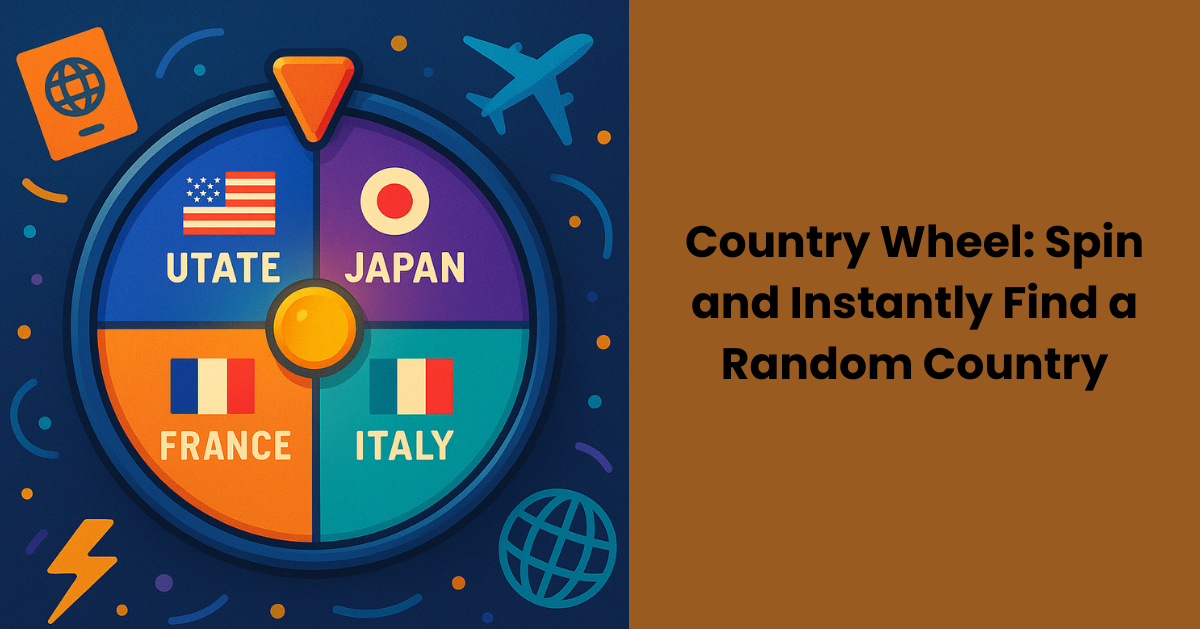
Introduction: Why Not Let Luck Pick Your Next Country? We’re lucky to live in a world full of fascinating cultures, breathtaking landscapes, and vibrant histories. But with more than 190 countries out there, choosing just one to focus on—whether for a school project, trivia night, or your next vacation—can feel overwhelming. Enter the Country Wheel. This interactive, digital tool functions like a globe in your pocket. Just give it a spin, and voilà—a random country is chosen for you. No more indecision or endless scrolling. With each spin, you unlock new opportunities for learning, adventure, and discovery. What Is the Country Wheel? The Country Wheel is a digital spinning wheel that randomly selects a country from a global database. Just click to spin and see where it lands. Every spin is unpredictable, which makes the experience fun and surprisingly educational. It’s perfect for: Exploring travel destinations Teaching geography Research or school projects Trivia and quiz nights Planning spontaneous vacations Classroom engagement Whether you’re using it solo or with a group, the Country Wheel makes global discovery more interactive and enjoyable. Try it now: Use the Country Wheel on PickerWheels.net Why Use a Country Wheel Instead of a Map or List? Some people scroll through country lists, others drop pins on maps—but neither compares to the excitement of a spinning wheel. Here’s why the Country Wheel stands out: 1. Instant Decision-MakingNo overthinking. One click and the choice is made—fast, fair, and fun. 2. Makes Learning EngagingWhether you’re 8 or 80, turning global exploration into a game boosts interest and retention. 3. Every Country Gets a TurnFrom global giants like Brazil to lesser-known places like Bhutan, every nation gets equal spotlight. 4. Great for Trip PlanningWant to shake up your travel routine? Let the wheel guide you somewhere unexpected—and unforgettable. Learning Advantages of the Country Wheel For students, teachers, and lifelong learners, the Country Wheel can be a dynamic learning resource. Geography Lessons Spin the wheel and study the selected country’s: Capital Population Language(s) Currency Cultural highlights Landmarks and geography Cultural Curiosity Each spin introduces students to new traditions, holidays, cuisines, and values—encouraging empathy and global awareness. Writing & Presentation Prompts Assign students a randomly selected country for class reports, travel brochures, or slide presentations. The element of surprise keeps it fun and fair. Related Read: Explore the World in One Spin with the Wheel of Countries For Travelers: Let the Country Wheel Plan Your Next Trip Tired of the same old vacation ideas? The Country Wheel is perfect for: Discovering hidden travel gems Stepping outside your comfort zone Starting a global bucket list Sparking daydreams for future adventures Even if you’re not traveling now, a quick spin can transport you mentally to a whole new destination. How to Use the Country Wheel on PickerWheels.net Here’s how easy it is: Visit https://pickerwheels.net/ Select the Country Wheel tool Click to Spin Get your country—and explore it however you like You can even customize the wheel to focus on specific regions like Asia, Europe, or Africa. Bonus Tool: Prefer a faster option? Try the Random Country Wheel for a quick, simplified experience. Creative Ways to Use the Country Wheel Here are some fun and creative ideas to get the most out of your spins: 1. “Country of the Week” ChallengeSpin every Monday and focus on that country for the week. Learn about its music, cuisine, and famous landmarks. 2. Classroom Geography Warm-UpBegin each class by spinning the wheel and having students locate the selected country on a map. 3. Family Fun NightAfter dinner, spin the wheel and have each family member share a fun fact or dish related to the selected country. 4. Debate or Presentation ThemesUse the wheel to assign topics for speeches, essays, or debates. Why People Love the Country Wheel Hear from real users: “I use it every week in my classroom. It makes global learning interactive and exciting.” — Ms. Tania, Grade 6 Teacher“The Country Wheel gave me the nudge I needed to book a spontaneous trip to Peru. No regrets!” — Adeel R., Traveler“It’s a perfect tool for content inspiration and learning. I never run out of ideas now.” — Carla D., Blogger Add It to Your Favorites Best of all? The Country Wheel is: Free to use Mobile-friendly No sign-up required Bookmark it and use it anytime inspiration strikes. Spin it now: Country Wheel on PickerWheels.net You Might Also Like Random Country Wheel: Find Your Next Destination with a Spin Random Color Generator Wheel: Select Colors Instantly Yes No Wheel: Make Fast, Fair Decisions Instantly Final Thoughts: Let Curiosity Guide the Way The Country Wheel isn’t just a fun digital spinner—it’s a passport to learning, inspiration, and global thinking. With each click, you get a chance to discover, imagine, and dream. So whether you’re planning a vacation, leading a class, or just looking to expand your knowledge…Spin the Country Wheel—and see where the world takes you. FAQs About the Country Wheel What is the Country Wheel? The Country Wheel is an interactive digital spinner that randomly selects a country from around the world. It’s a fun, fast, and engaging way to explore new places, learn about global cultures, and break out of decision fatigue—whether you’re planning a trip, teaching a class, or just curious about the world. How does the Country Wheel work? It’s incredibly easy to use: Visit PickerWheels.net Select the Country Wheel Click “Spin” and watch the wheel land on a random country Use the result for learning, trip planning, or just for fun! You can even filter the countries by region (like Asia, Europe, or Africa) to narrow your focus. Why should I use the Country Wheel instead of a map or list? Unlike static lists or globes, the Country Wheel adds spontaneity and excitement. With one click, you eliminate choice overload and get a fresh, unbiased suggestion. It’s also perfect for discovering countries you might not have considered on your own. Is the Country Wheel good for students and teachers? Absolutely. The Country
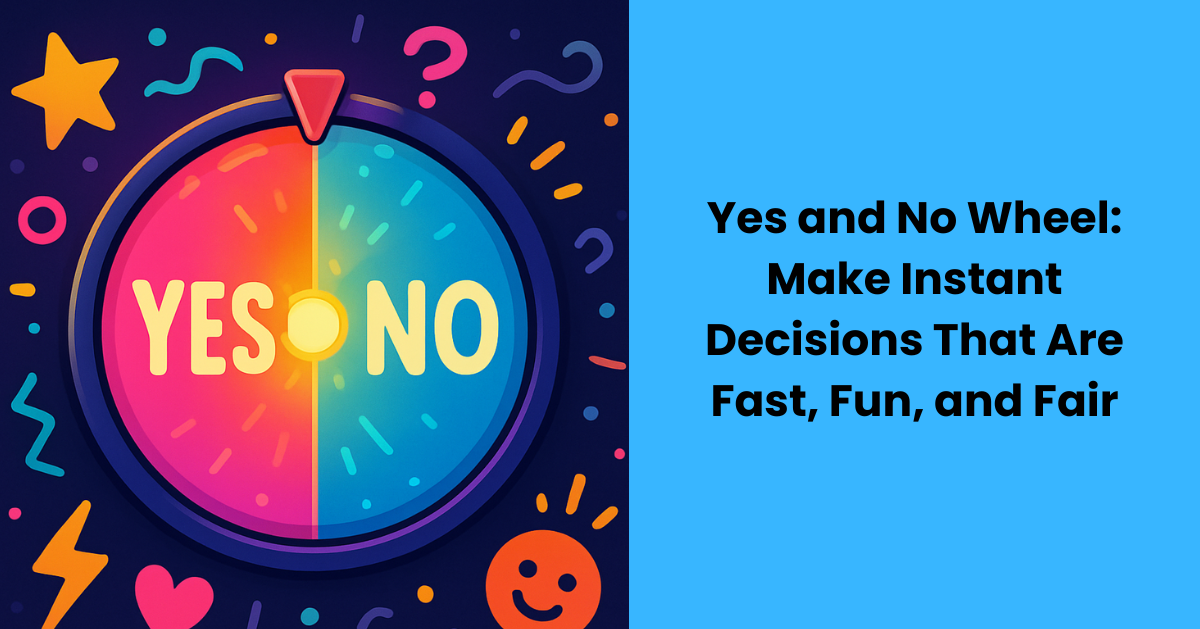
Yes and No Wheel: Make Instant Decisions That Are Fast, Fun, and Fair
When You Just Can’t Make Up Your Mind… Picture this: you’re sitting at your desk, scrolling through your phone, and wondering—“Should I order pizza tonight? Should I squeeze in that last task? Should I go to the gym today… or not?” We all face these tiny but nagging decisions every single day. And over time, they add up—wearing us down, draining mental energy, and sometimes even putting us in decision paralysis. Wouldn’t it be great if someone—or something—could just decide for you? That’s where the Yes and No Wheel comes in. It’s simple, it’s stress-free, and it’s oddly satisfying. One quick spin, and suddenly the weight of indecision disappears. So, What Exactly Is the Yes and No Wheel? Think of the Yes and No Wheel as your personal decision-making assistant—but way more fun than flipping a coin. With just one spin, it gives you a clear answer: yes or no. No more second-guessing, no more “maybe later,” and definitely no more endless back-and-forth. It works beautifully whether you’re on your phone, laptop, or tablet—at home, at school, during meetings, or even live streaming to an audience. You don’t need to install anything or sign up. Just spin and go. Try it out now at PickerWheel.net. Why Spin Instead of Decide? We all process so much information every day that even basic choices can start to feel overwhelming. That’s where spinning takes the pressure off. Here’s why people love using the Yes and No Wheel: Saves TimeTired of going in circles about a simple yes-or-no question? Spin the wheel and move on. It’s UnbiasedNo emotions. No pressure. No overthinking. The result is 100% random and fair. It’s Actually FunSeriously—spinning adds a little thrill to the moment. It’s interactive and engaging, especially when used with friends or family. Great for All AgesWhether you’re a parent, teacher, student, or content creator, the Yes and No Wheel works for everyone. It turns choices into a game and gets people involved. Real-Life Ways to Use the Yes and No Wheel This isn’t just a novelty. The Yes and No Wheel is surprisingly useful in day-to-day life. Here’s how people use it: 1. What’s for Dinner? Don’t want to make another decision at the end of a long day? Let the wheel decide for you.“Should I order pizza?”Spin… “Yes.”Problem solved. 2. For Creative Slumps When you’re unsure whether to start a project or wait until inspiration hits—let the wheel give you that little nudge. 3. In the Classroom Teachers use it to: Decide which student goes next Ask random quiz questions Keep students engaged with something visual and interactive It turns learning into a game, and kids love it. 4. Family Game Nights Who goes first? Who picks the game? Do we play another round? No arguments—just spin and go. 5. Livestreams & Content Creation YouTubers and streamers use the wheel for real-time engagement: Should I take on a challenge? Should I restart the level? Should I play with a random character? The wheel becomes part of the entertainment. Customize It Your Way One of the best features of PickerWheel.net is customization. You’re not limited to just “Yes” and “No.” You can: Add options like “Maybe,” “Try again,” or “Only if it’s Friday.” Change the color theme for a unique look Personalize it for classrooms, live content, or family fun Looking for a spooky wheel for Halloween? Or a festive one for the holidays? You can build it exactly how you like. How to Use the Yes and No Wheel in 5 Easy Steps Go to PickerWheel.net Select the “Yes or No” option Click the spin button Wait for it to stop Read your answer and decide (or don’t—it’s your call!) No logins, no downloads, just easy access and instant fun. Why People Love PickerWheel.net Out of all the spinner tools online, PickerWheel.net stands out—and here’s why: Fast and mobile-friendly User-friendly design Tons of customization options Totally free—no sign-up required It’s more than a tool—it’s a fun, interactive experience. You’ll find yourself coming back again and again, even for decisions you don’t really need help with! What Real Users Are Saying “Didn’t think I’d love a spinning wheel so much. My kids use it for everything—even brushing their teeth!”— Tina R., Mom of two “I use it during my Twitch streams and let my viewers control what I do next. They’re obsessed!”— Gabe, Content Creator “My students stay focused and excited because of this thing. It’s made a big difference.”— Mrs. Khan, 6th Grade Teacher Tips to Get the Most Out of the Wheel Want to level up your experience? Here’s how: Gamify chores – Let the wheel assign tasks around the house or classroom Make group decisions fair – Forget rock-paper-scissors Set up reward systems – Spin to earn treats, break time, or surprise bonuses You’ll be surprised how much a little spinning wheel can shift the mood. The Psychology Behind the Spin Why does spinning feel so satisfying? It all comes down to psychological closure. Our brains love certainty. Spinning gives us a quick, clear result, and that releases dopamine—the “feel-good” chemical. Even if the answer is random, we feel a sense of relief. That’s part of the magic. Final Thoughts: One Spin Away from Clarity (and a Little Joy) Let’s face it—decision-making can be a drag. Even tiny ones build up and wear us out. The Yes and No Wheel offers a simple, joyful alternative. Whether you’re making a real decision, playing a game, or just having fun, it brings clarity, fairness, and a dash of excitement. So next time you’re torn between yes and no, don’t sweat it—just spin it.Try it now at PickerWheel.net and see where the wheel takes you. Explore More on PickerWheel.net Loved the Yes and No Wheel? Here are other tools worth checking out: Spin the Wheel Yes or No Random Country Wheel Random Color Generator Wheel FAQs About the Yes and No Wheel What is the Yes and No Wheel? The Yes and No Wheel is
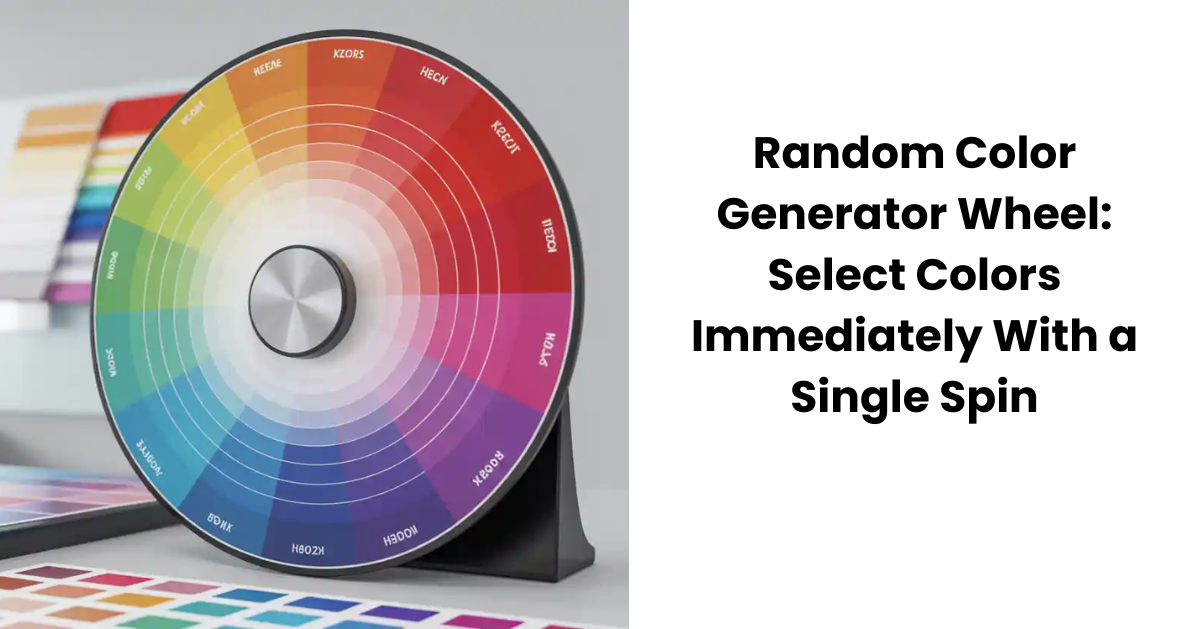
Random Color Generator Wheel: Select Colors Immediately With a Single Spin
Introduction: Stuck on Choosing a Color? Just Spin the Wheel We’ve all been there—standing in front of a blank page, design assignment, or outfit combination wondering, “What color should I use?” It’s a simple question that easily becomes a question that leads to overthinking, hesitation, and creative block. But what if you could make that choice in an instant—and enjoy yourself while you’re doing it? Enter the Random Color Generator Wheel. It’s a simple but surprisingly powerful tool that takes the guesswork out of color selection. Just tap, spin, and you’re rewarded with a random color that might be exactly what your mind (and project) needed. Whether you’re a designer seeking spontaneity, a teacher making art class more exciting, or just someone decorating your room, this tool brings energy, color, and creativity to your fingertips. The Random Color Generator Wheel is an online spinning wheel with a variety of colors on it. If you click or tap on the “Spin” button, the wheel spins and stops on a color—completely by chance. It is as simple as a digital color roulette: Tools such as the one offered on PickerWheels.net turn the experience into a visual, interactive, and easy one—ideal for use on desktop, mobile, or tablet. You may ask—why not just select a color by hand or have a standard palette? Here’s why folks enjoy spinning over scrolling: 1. It Sparks Instant Creativity Constriction is often where creativity stems from. When you’re assigned a random color, your mind begins thinking differently to accommodate it in your situation. It opens doors you would never think about. 2. It Avoids Decision Fatigue Too much to choose from can be paralyzing—particularly when you’re working with an entire range of shades. The wheel makes things easy. You spin. It chooses. Done. 3. It Brings Fun and Playfulness Choosing colors becomes more of a game. That excitement of seeing the wheel turn creates suspense, makes the outcome feel deserved, and injects a lighthearted touch into your process. 4. It’s an Amazing Tool for Kids and Schools Instructors adore using random color wheels in art class to engage kids. It creates experimentation and participation—no one ever feels stuck or excluded. The response: nearly everyone. But here are a few of the people who will use this the most: Using a tool such as PickerWheels.net’s Color Wheel couldn’t be simpler: Bonus: Some tools even enable you to copy the hex code, save spins, or spin again for palette ideas. 1. Color-Based Daily Challenges Pick a color each morning and base your day’s outfit, art, or activity around it. It’s a great way to boost mindfulness and creativity. 2. Mood Boards or Vision Boards Spin for your base color, then use Canva or Pinterest to build a full board around it. 3. Palette Pairing Game Spin multiple times and challenge yourself to make those colors work together in a cohesive design. 4. Kids’ Art Prompts Have your child draw an animal, object, or landscape with only tones of the color the wheel stopped on. 5. Party Games Having a party? Use the wheel to determine team colors, or use random spins as inspiration for decor themes for added flair. While it may feel playful and whimsical, the random color wheel has its basis in sound principles of creativity psychology. Surprise Enhances Learning and Retention According to Psychology Today, surprise prolongs the time your brain holds on to information. That randomness builds deeper engagement. Gamification Drives Motivation Innovative tools such as spinners apply game design (suspense, reward, unpredictability) to enhance user engagement and motivation. That’s why they perform so effectively in classroom and creative environment Internal Resources You’ll Enjoy Discover more interactive tools on PickerWheels.net:
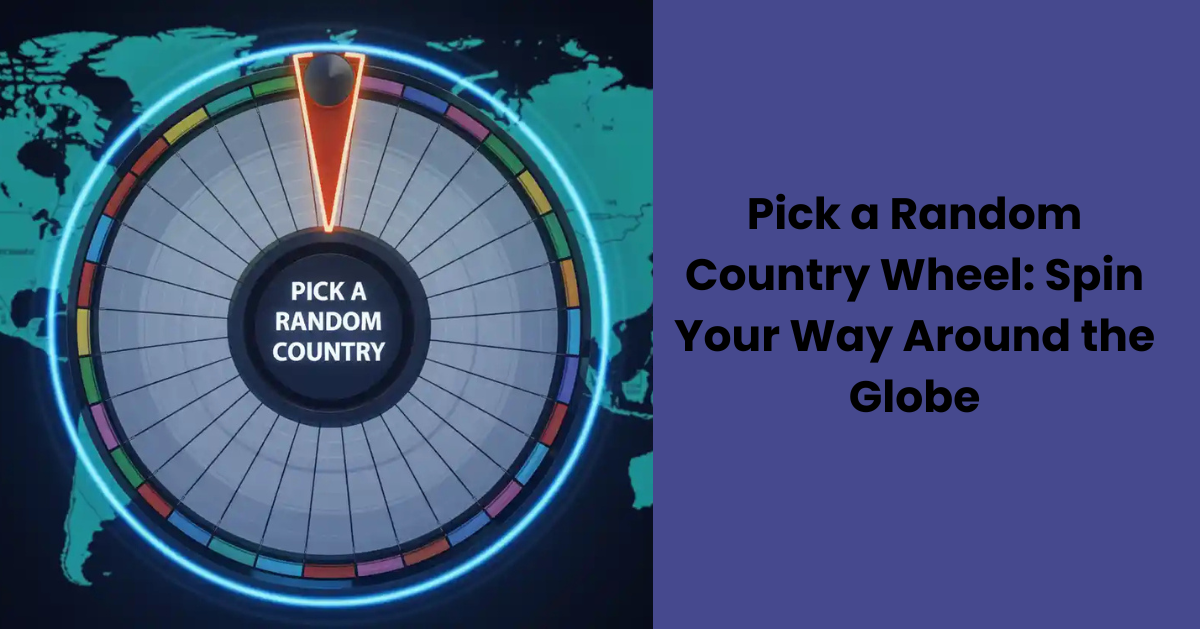
Pick a Random Country Wheel: Spin Your Way Around the Globe
Introduction: Travel Without a Passport—Just Spin Imagine spinning a colorful digital wheel and suddenly landing in Japan, Brazil, or Morocco. You didn’t plan it. You didn’t overthink it. And yet—there you are, diving into a new culture, language, and history. That’s the power of the Pick a Random Country Wheel. Whether you’re a curious student, an enthusiastic teacher, or a world traveler craving fresh inspiration, this tool turns geography into a joyful surprise. It’s entertaining, educational, and totally spontaneous. The Pick a Random Country Wheel is a digital decision-making spinner that randomly selects a country from a global list. It’s like flicking a globe and letting your finger land wherever—but with far more flair and instant results. You might land on: It’s a fun, educational, and completely unbiased way to explore the world. You can try it instantly at PickerWheels.net, a site dedicated to random spinners, including country wheels, yes/no wheels, and more. We often get stuck in routines—even when it comes to travel or learning. A tool like this breaks that cycle and adds an element of randomness that makes life more exciting. 1. Discover the Unexpected Most people only know a fraction of the world’s 190+ countries. The wheel can help you uncover fascinating cultures, foods, and stories you’d never explore otherwise. 2. Travel Planning Made Fun If you’re tired of browsing “Top 10 Travel Destinations,” let the wheel surprise you. Then use Google Flights or Skyscanner to check out how to get there. 3. Perfect for Teachers and Classrooms Educators love using it to randomly select a country-of-the-day. Pair it with facts, maps, or presentations to gamify geography lessons. Check out our full guide on the Wheel of Countries for educational ideas. 4. Encourage Cultural Curiosity Even if you’re not traveling, learning about customs, cuisine, and traditions from around the globe is a great way to grow your global mindset. For Digital Nomads and Adventurers Can’t decide where to go next? Spin the wheel, land on a country, and research visa rules, safety, and things to do. It’s a perfect tool for spontaneous travelers. For Students and Educators Teachers can use the spinner in classrooms to prompt country reports, cultural presentations, or geography quizzes. It’s great for interactive learning, especially with younger learners. For Family Game Nights Make your next family night more interesting. Spin the wheel and: For Creators and Bloggers Need fresh ideas? Spin the wheel and write or vlog about the country it selects. From cuisine to music, fashion to facts—it’s endless content inspiration. Sites like PickerWheels.net allow you to: Want to explore just South America? Customize your spin. Doing a project on the Middle East? Limit the wheel to those countries only. This is especially helpful for: It Creates a Sense of Closure As discussed by Harvard Business Review, our brains crave clear outcomes. The wheel offers instant results—no overthinking required. It Removes Choice Overload Too many choices lead to decision fatigue. The wheel simplifies this by narrowing your focus instantly. It Feels Like a Game The suspense of the spin, paired with visual effects, makes this feel more like play than work—an ideal tool for learners of all ages. Make this tool even more powerful with these creative twists: “I spun the wheel for fun and ended up planning a trip to Georgia. It’s a place I never would’ve considered—and it was amazing!”— Nadia, 29, Travel Blogger “I use it every Friday in my geography class. The kids cheer when we spin the wheel. It makes learning come alive.”— Mr. Raymond, Middle School Teacher “I started a YouTube channel around food from random countries—and the wheel gave me endless ideas!”— Karim, Content Creator The Pick a Random Country Wheel isn’t just fun—it serves real purpose: It’s a bridge between entertainment and exploration. In today’s world of endless scrolling and overwhelming options, the Pick a Random Country Wheel offers a moment of clarity, fun, and discovery. So whether you’re choosing your next vacation spot, spicing up your classroom, or just looking to learn something new—stop guessing and start spinning. Your next adventure, project, or passion might be just one spin away. FAQs About the Pick a Random Country Wheel What is a Pick a Random Country Wheel? The Pick a Random Country Wheel is an interactive digital tool that randomly selects a country when you spin it. It’s a fun and engaging way to explore the world, whether you’re planning a trip, learning about geography, or just curious about different cultures. How does the random country spinner work? It’s simple—you click the “Spin” button, and the wheel rotates through a full list of countries before landing on one at random. It gives you a fast, unbiased country suggestion every time. Some platforms, like PickerWheel.net, also offer customization by region or country list. Who can benefit from using the Country Picker Wheel? Anyone! It’s especially popular among: Travelers looking for vacation inspiration Teachers and students for classroom geography games Content creators seeking global-themed ideas Families wanting fun educational challenges at home Can I customize the wheel to show countries from a specific region? Yes. Most advanced country wheel tools (like the one on PickerWheel.net) allow you to filter by continent or region, such as Europe, Asia, or Africa. You can also exclude countries you’ve already visited or studied. Is the random country generator accurate and fair? Absolutely. The wheel is designed to be unbiased. Each country has an equal chance of being selected unless you customize the list. It removes emotional bias and offers a purely random suggestion. What are some creative ways to use the Pick a Random Country Wheel? Here are a few fun ideas: Cook a meal from the selected country Learn basic phrases in its native language Draw the country’s flag or a landmark Create a Spotify playlist with music from that region Start a travel journal based on your spins Is the Country Wheel suitable for classroom use? Definitely. Many educators use it to gamify geography lessons, assign

Spin the Wheel Yes or No: Decide in Seconds
Why Deciding Yes or No Isn’t Always Easy Ever spent more time deciding what to eat than actually eating? Or felt frozen choosing between two equally appealing options? Whether it’s picking a movie, saying yes to a date, or determining who goes first in a game — sometimes a simple yes or no can feel overwhelmingly difficult. That’s where the Spin the Wheel Yes or No tool steps in. Like a digital coin toss — but more visual, more fun, and 100% fair — it helps take the pressure off. Let’s explore how it works, why people love it, and how it’s becoming a go-to for fun, fairness, and decision-making clarity. What Is the “Spin the Wheel Yes or No” Tool? It’s exactly what it sounds like — a digital wheel divided into two halves: Yes and No. Tap the spin button, watch the wheel turn, and accept what fate delivers. Fast. Fair. Oddly satisfying. How It Works: It’s ideal for those moments of analysis paralysis when even a coin flip feels too dull. Why People Love Using a Yes or No Spinner ✅ 1. It Turns Mundane Choices into Fun Choosing between pizza or pasta? Spin it. Assigning chores? Spin it. Suddenly, boring decisions become entertaining. ✅ 2. It Removes Bias Whether you’re with friends or colleagues, using a decision spinner ensures impartiality and avoids arguments. ✅ 3. It’s Perfect for Group Settings Teachers, party hosts, and managers — everyone benefits from using a neutral tool to quickly make group decisions. ✅ 4. It Reduces Decision Fatigue Modern life throws too many choices at us. According to Psychology Today, decision fatigue affects mental performance. The spinner clears the clutter and helps you move on. Real-Life Situations Where It Helps 🎲 Game Night Trying to pick the starting player or team? Let the wheel decide — no more rock-paper-scissors drama. 🧑🏫 Classroom Learning Educators now gamify participation using tools like PickerWheels.net’s Yes No Spinner. This boosts classroom engagement, and as Edutopia points out, gamification improves learning outcomes. 👫 Relationship Disagreements Can’t decide what to do for date night or where to eat? Avoid arguments and let the wheel decide. 🧠 Mental Relief from Overthinking Quick decisions help reduce cognitive overload. When you’re stuck over minor tasks, this tool brings peace of mind instantly. Digital vs. Physical Spinners: Why Online Wins Digital spinners offer several perks: Bonus: It’s cheat-proof! Make It Your Own: Customize the Spinner Sites like PickerWheels.net allow full customization. Here are creative ideas you can try: Need inspiration? The Spruce Crafts shares fun spinner ideas you can digitally replicate too. The Psychology Behind the Wheel You’re not imagining it — a simple spinner really can influence your brain in positive ways. 🧠 1. It Satisfies the Need for Closure As Harvard Business Review explains, humans crave definite outcomes. Spinning the wheel satisfies that craving instantly. 🧘 2. It Relieves Anxiety Too many options = stress. One click = peace. ✋ 3. It Feels Like You’re Still in Control Even though you’re letting a wheel decide, you chose to use the wheel — and that choice boosts satisfaction. Where to Use the Yes or No Spinner 🌐 PickerWheels.net 📱 App Store & Google Play Search for apps like “Spin It” or “Yes or No Wheel” — these often include sounds, themes, and animations. 🔌 Chrome Extensions Perfect for remote workers and teams who make decisions collaboratively online. Is It Really Random? Yes. Digital spinners rely on Random Number Generators (RNGs), the same technology used in games and simulations. If the outcome seems “unfair,” don’t worry — you can always spin again (just not too many times, or the irony will set in). Quick Tips for Maximum Value Final Thoughts: Simple Yet Powerful The Spin the Wheel Yes or No tool is fast, fair, and fun — a surprisingly useful answer to the modern-day problem of too many choices. Whether you’re settling a debate, lightening up a class, or just trying to decide whether to cook or order out, the wheel helps you decide in seconds — and maybe even smile in the process. So next time you’re stuck in indecision? Just spin the wheel. 🔗 Related Internal Posts You Might Enjoy
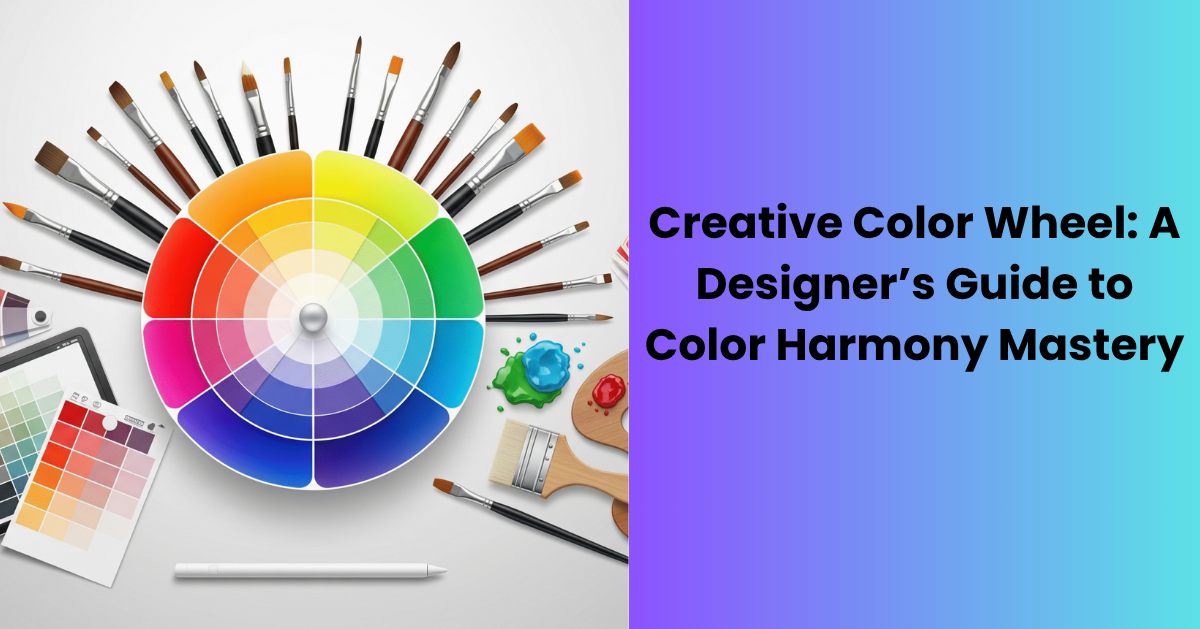
Creative Color Wheel: A Designer’s Guide to Color Harmony Mastery
Introduction: Color Isn’t Just Visual—It’s Emotional Consider the last time you were utterly captivated by a work of art, a brand’s Instagram account, or the snug vibe of a cafe. Most likely, the reason wasn’t simply what you were looking at—but how it made you feel.Colors evoke emotion. They establish moods. They inform decisions. As creatives—be you a graphic designer, artist, photographer, interior designer, or content creator—your affair with color is paramount. And that’s where the creative color wheel is your best ally. Not merely a circle with lovely colors, but a breathing tool that allows you to feel your way into a successful design. At its essence, the creative color wheel is a visual mapping of colors in order of their chromatic relationship. Consider it a map that guides you through what colors work together, fight each other, or mesmerize. As opposed to a standard color wheel taught in grade school art classes, the creative wheel gets more in-depth: The genius of the creative color wheel is in how dynamic it is. It’s no longer a static tool—it adapts with your taste, your brand image, or the emotional mood of your project. Before we even get into mixing up color combinations, it’s worth knowing this:Color isn’t viewed—it’s perceived. Color Emotional Trigger Red Passion, urgency, excitement Blue Calm, trust, professionalism Yellow Optimism, energy, cheerfulness Green Balance, growth, peace Purple Luxury, mystery, creativity Black Sophistication, power, elegance White Simplicity, purity, space The choice of color impacts how others react to your work—visually and emotionally. It determines clicks, purchasing decisions, first impressions, and even recall. In a busy visual world, emotionally intelligent design is the key to making your work stand out. That begins with color. You can’t harmonize without playing the right notes. Let’s cover the fundamentals: Primary Colors Red, Blue, YellowThese are the foundation stones—every other hue is derived from them. Secondary Colors Orange, Green, PurpleProduced through a combination of primary colors. Tertiary Colors Red-Orange, Blue-Green, Yellow-Purple, etc.A mix of primary and secondary colors, providing depth and variety. Bonus Tip:Most artful color wheels will also display tints (color + white), shades (color + black), and tones (color + gray). These modified counterparts assist you in making balance and hierarchy. 1. Complementary Colors These are opposite each other on the wheel—blue and orange.Ideal for high-contrast images, such as logos or call-to-action buttons.Use it when you need something to pop. 2. Analogous Colors These are side by side on the wheel—red, orange, and yellow.They create a harmonious, pleasing color palette—often seen in nature.Apply it to landscapes, lifestyle branding, or soft product designs. 3. Triadic Colors These create an equilateral triangle on the wheel—red, yellow, and blue.You achieve intense visual contrast while having balance.Lovely for fun brands or energetic editorial designs. 4. Split Complementary Choose a base color, followed by its two neighboring complements—blue, with yellow-orange and red-orange.Less powerful than full complementary but equally high-impact.Use this for more subtle drama in digital content or video. 5. Monochromatic Different tints and shades of a single color.Minimal, elegant, and cohesive.Perfect for fashion, UI design, or portfolios. Filmmaking Wes Anderson is a genius with color harmony. Ever noticed how he uses split complementary palettes for emotional undertones? Photography Color wheel strategies inform outfit choice, background hue, and edit filters for visual narrative. Fine Art Van Gogh and Matisse employed complementary and triadic color harmonies to inspire emotion. Branding & Social Media The more intentional your color, the more emotive your work.Think of brands like Spotify (green + black) or Fanta (orange + purple)—intentional, striking color pairs that linger in your mind. Pro Tips for Working with the Creative Color Wheel Pro Tip:Blind-test color pairs with friends or customers. You’ll receive genuine emotional feedback—without them even knowing what’s motivating the response. Here are some free and paid tools that apply color theory in innovative ways: Tool What It Does Adobe Color Make color schemes with color wheel rules Coolors.co Create palettes immediately—ideal for branding Canva Color Wheel Easy-to-use, interactive interface Paletton Advanced color visualizer with adjustable settings Color Hunt Palettes curated with trendy inspiration These resources help you translate theory into practical design decisions in seconds. The creative color wheel is not just a tool—it’s a dialogue between you and your audience. It allows you to communicate what you cannot with words. It enables you to create feelings, stimulate thinking, and impose order upon randomness. Once you understand color relationships, you stop guessing. You begin to design with intention. And that’s when your work transforms from “okay” to unforgettable. So whether you’re sketching your next masterpiece, designing a mobile app, developing your personal brand, or simply selecting a paint color—don’t forget to spin the wheel. Your ideal color combination is waiting. Frequently Asked Questions (FAQs) 1. What is the creative color wheel used for in design?The creative color wheel is a powerful tool that helps designers choose color combinations that evoke specific emotions and create visual harmony. It’s not just about mixing colors—it’s about crafting moods, enhancing user experience, and aligning visuals with brand identity or creative goals. 2. How is the creative color wheel different from a regular color wheel?While a basic color wheel shows primary, secondary, and tertiary colors, the creative color wheel goes deeper. It includes tints, shades, and tones, and takes emotional impact into account. It’s more dynamic and flexible—perfect for modern design, branding, photography, and digital content creation. 3. Why is color psychology important in creative work?Colors aren’t just seen—they’re felt. Each hue can trigger specific emotions: red for urgency, blue for trust, yellow for energy, and so on. Understanding color psychology allows designers to connect with their audience emotionally and guide behavior, whether it’s encouraging clicks, creating calm, or telling a story. 4. What are the best color harmony techniques for beginners?Start with: Complementary colors for contrast (like blue and orange) Analogous colors for harmony (such as red, orange, and yellow) Triadic palettes for bold yet balanced combos (like red, blue, and yellow)These methods make your design feel intentional and
Random Country Wheel: Discover the World One Spin at a Time
Introduction: The World is Just One Spin Away Did you ever imagine traveling around the world but had no idea where to start? You’re not the only one. With 195 countries to choose from, the decision can be daunting. But what if there were a lighthearted, whimsical way to kick off your around-the-world adventure? Meet the random country wheel—a digital tool that spins and selects a country at random, making travel planning and education an exciting game of chance. Whether you’re looking for vacation inspiration, a fun classroom activity, or just a new way to pass time, the random country wheel is your passport to surprise, excitement, and endless global discovery. In essence, a random country wheel is an interactive spinner filled with a list of all (or a personalized set of) countries in the world. When you spin it, it stops on one country at random—just like a game show wheel. Simple in design but rich in experience, this tool is a favorite among educators, travelers, students, and curious minds. Think of it like Google Maps, but without the need to plan. You don’t choose where to go—the wheel decides for you. And that’s where the excitement begins. Break Out of the Comfort Zone Too often, we stick with the usual choices—France, Italy, Japan. But the world is full of underappreciated gems: Bhutan, Suriname, Eswatini. The wheel introduces you to destinations you might never have considered. It promotes spontaneity, curiosity, and a sense of global exploration. A Tool for Education and Learning Educators love using the random country wheel in geography or social studies. Instead of traditional textbook assignments, teachers can let students spin the wheel and research the country they land on. It transforms passive learning into a personal discovery. Travel Planning Just Got Interesting Tired of the same travel wish lists? Spin the wheel and let fate choose your next destination. Even if you’re not booking flights anytime soon, learning about a new country can spark ideas for future travel or deepen your understanding of the world. Innovative Uses You May Not Have Considered Step 1: Find a Reliable SpinnerSeveral websites offer random wheel generators. For example, PickerWheels.net allows you to create customizable wheels, including a country wheel. Just visit the site, select “random country wheel,” and start spinning. Step 2: Spin the WheelClick the button, and the wheel spins with satisfying animations or sound effects, building anticipation. Where will it stop? Step 3: Discover the Country You Land OnOnce it stops, you get a country. Now the exploration begins: The magic lies in the exploration—not just the result. 1. World Tour ChallengeSpin the wheel once a week for a year. After 52 weeks, you’ll have virtually “visited” 52 countries. Keep a journal or create a blog about each one. 2. Classroom Continent CompetitionAssign each student a continent. Then spin the wheel to pick random countries from that region. It’s great for games, trivia, and learning. 3. Cultural Cooking NightLet the wheel decide your dinner theme. If it lands on Thailand, make Pad Thai. If it lands on Brazil, try feijoada. It’s a fun way to mix food and culture. 4. Spin for Your Travel Bucket ListNot ready to travel yet? Use the wheel to build a future travel wish list. You might find your next dream destination where you least expect it. TeachersMake geography fun and interactive. Students are more engaged when learning is hands-on and spontaneous. Digital NomadsUnsure where to go next? Let the wheel guide you to hidden gems and offbeat destinations. Parents and ChildrenTurn learning into family fun. Kids love the thrill of spinning a wheel, and parents get to introduce them to new cultures. Students and ScholarsNeed a random country for a research project? Forget the usual suspects—let the wheel assign you something unexpected. There’s something refreshing about surrendering control for a moment. The random country wheel plays on our love for novelty and chance. It eliminates decision fatigue, activates curiosity, and gives a little boost of excitement with each spin. Psychologists suggest that adding controlled randomness to daily life can: So a simple spin could be just what your brain needs. The random country wheel isn’t just a fun digital toy—it’s a gateway to global adventure. In a matter of seconds, it can turn an idle moment into a journey of discovery. Whether you’re planning your next trip, enriching your classroom, or spending a rainy day learning something new, this simple tool makes global exploration accessible and entertaining. Best of all? You don’t need a passport. Just a little curiosity and one spin. Discover More with the Random Country Wheel Want to try it yourself? Head over to PickerWheels.net and explore the random country wheel tool firsthand. It’s simple, interactive, and ideal for travelers, teachers, and anyone curious about global cultures. With just one spin, you could land on a country you’ve never heard of—and start a new journey of discovery right from your screen. Whether you’re creating a travel bucket list or engaging students in world geography, the random country wheel makes exploration effortless and fun. Final Thoughts: Let Chance Be Your Compass In a world where everything is planned down to the minute, it feels good to let go—even for just a moment. The random country wheel is a reminder that spontaneity can be powerful. Some of the best discoveries come when you least expect them. So spin the wheel, and let the world surprise you.

Spin the Wheel Yes or No: Make Fast, Fair Decisions Instantly
Introduction: The Answer to “Should I or Shouldn’t I?” Might Be Just One Spin Away We’ve all been there—hovering indecisively over a fridge, a text message, or a to-do list, caught in the loop of “yes… no… maybe… what if?” In a world overflowing with choices, even the small ones can wear us down. That mental burnout you feel from overthinking simple things? It’s real. It’s called decision fatigue. But what if making a choice didn’t have to be so draining? Enter the Yes or No Wheel—a digital spinner that adds a dose of fun, fairness, and finality to everyday decisions. Whether you’re choosing whether to go for that extra slice of cake, text your crush, or hit “next episode” at 2 a.m., this simple tool makes the process playful instead of painful. Why Are Even Small Decisions So Exhausting? You remember that awkward time when you’re in front of the fridge wondering, “Do I eat the leftover cake or be healthy for once?” And then next thing you know it’s 20 minutes later and you’re still stumped? Yeah… we’ve all done it. We’re constantly presented with choices in today’s world. Some huge, some infinitesimal—but all of them appear to require mental energy we’re losing. That’s decision fatigue. And it’s not just in our heads. That’s where the “Spin the Wheel Yes or No” tool comes in. It’s a fun, surprisingly helpful little lifesaver that can make those “Should I… or shouldn’t I?” moments a lot easier to handle. What Exactly Is the Yes or No Wheel? Visualize a wheel on your screen—just like the ones you see on TV game shows. Except instead of stopping on a prize, it stops on a plain answer: Yes or No. You spin it, see it whirling, and voilà—you have your answer. It’s quick. It’s visual. And frankly, it’s more fun to watch than flipping a coin or agonizing for hours. Whether you’re having trouble with something silly or something important, the wheel provides you with an instant response without giving it a moment’s thought. Why People Can’t Get Enough of It It’s Fast No more going around in circles trying to make the simplest decision. One spin, and you’re done. It’s Fair The wheel doesn’t discriminate. It won’t make you feel guilty. It simply provides you with an honest, unbiased response. It’s Kinda Fun Spinning the wheel? Low-key thrilling. It’s almost like a game—even when you’re just deciding whether you need to clean your room. It Clears Mental Clutter Sometimes we already know what we want—we just need something to give us that little push. The wheel becomes the nudge. How to Use the Yes or No Spinner (It’s So Easy) Open PickerWheels.net Scroll down to the Yes or No Wheel Click the Spin button Watch the dramatic spin Boom—YES or NO Take it seriously… or not. Your call! When Should You Spin It? Everyday Woes Should I take that walk?Do I need another coffee?Should I binge that Netflix show at midnight? Group Fun Who plays first in a game?Dare or not?When no one in the group can decide anything Work & Study Stuff Should I start that project now?Is it time for a break?Do I keep my camera on in this Zoom call? Matters of the Heart Do I text them first?Should I say yes to that date?Is it time to move on? Sometimes the result tells you what you really wanted all along. So… Why a Wheel? Why Not Just Flip a Coin? Great question. Coin-flipping is classic, sure—but it’s also boring. The wheel, on the other hand, is visual, interactive, and creates real suspense. It gives your brain a break from overthinking. When you leave the decision to chance, your mind relaxes and either accepts the outcome—or realizes what you truly wanted all along. How It Compares to Other Decision-Making Tools Tool What’s Great What’s Okay Yes or No Wheel Quick, fun, unbiased Too basic for major decisions Coin Flip Classic, easy No excitement or feedback Asking Friends Gets outside input Advice can be biased Pro/Con List Thoughtful and logical Time-consuming, not engaging AI Assistants Smart, often helpful Not always truly neutral Verdict: For casual decisions, nothing beats the wheel’s simplicity and fun. The Unexpected Magic: What the Result Tells You About Yourself Pay attention to how you feel when the wheel lands: Disappointed with “No”? You probably wanted a “Yes.” Relieved at “Yes”? Maybe you were hoping for it all along. That emotional reaction? It’s your intuition talking. And the wheel just made it obvious. Strange but Brilliant Things People Do with the Wheel YouTubers and streamers use it live to let fans decide what happens next Teachers use it in classrooms for random questions or games Parents use it to settle fights or bedtime choices Couples use it to make fun date-night decisions like “Cook or takeout?” It’s become more than a tool—it’s fun, fair, and surprisingly insightful. Why PickerWheels.net Is the Best Place to Spin Clean and fast interface Mobile-friendly experience Smooth and satisfying spin animation No logins, no pop-ups Extra tools if you want more options Whether you’re at work, school, or home—PickerWheels.net just works. Final Thoughts: Sometimes, the Best Decision Is Letting Go Life throws way too many questions at us. Some matter. Some don’t. But they all take up brain space. Sometimes, the smartest move isn’t to obsess—it’s to spin. Let go. Laugh. Reflect. Learn. Because the truth is, making a decision at all is better than staying stuck in indecision. And hey—if it’s the wrong one? Just blame the wheel. Try It for Yourself Now Visit PickerWheels.net and spin the Yes or No wheel. One click, one spin—you might just find your answer waiting. Frequently Asked Questions (FAQs) 1. What is the Yes or No Wheel?The Yes or No Wheel is a digital spinner on PickerWheels.net that provides an instant “Yes” or “No” response to help you make quick, low-pressure decisions. 2. Can I use the wheel for real decisions
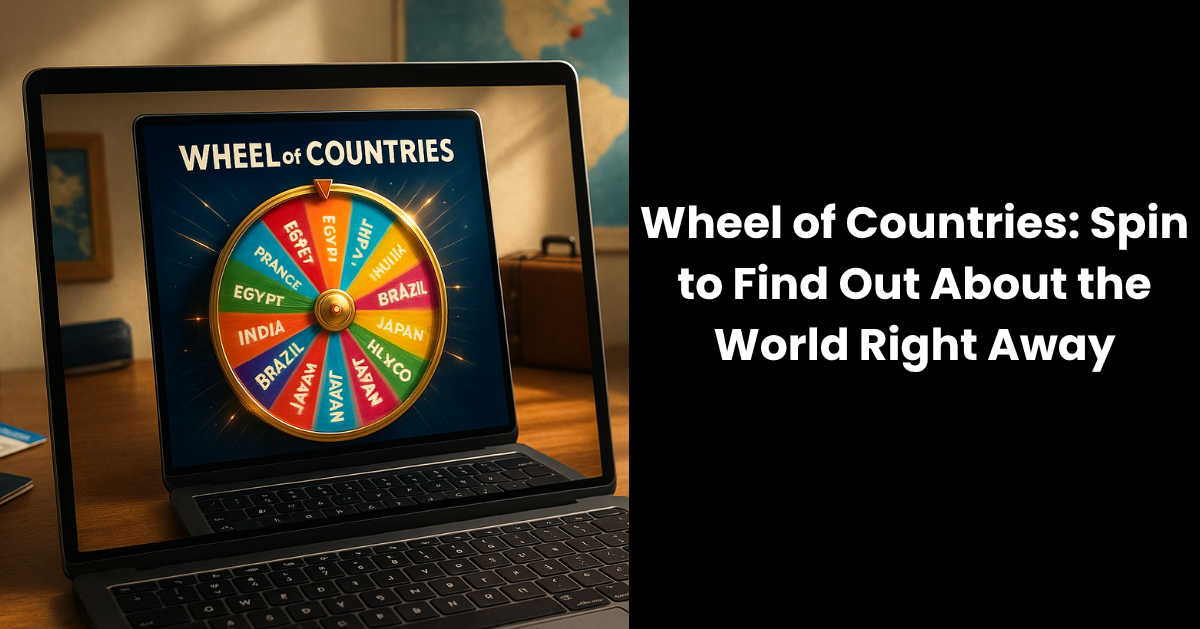
Wheel of Countries: Spin to Find Out About the World Right Away
Introduction: A World of Possibilities in Just One Spin Do you ever find yourself in a travel quandary, endlessly scrolling through maps wondering where to go next? Or perhaps you’re a geography teacher looking for new ways to energize your lessons. Either way, the Wheel of Countries offers a fun, spontaneous, and highly educational solution. Picture this: you spin a digital globe and it lands on a completely random country. Maybe it’s Bhutan, maybe it’s Brazil — but in seconds, you’re diving into a new culture, language, or cuisine. That’s the charm of this interactive tool — serendipity meets education. What Is the Wheel of Countries? The Wheel of Countries is a fast, interactive digital tool that randomly selects a country from a global database every time you spin it. It’s designed for simplicity and delight — all it takes is a click. Whether you’re a teacher, student, traveler, or curious mind, this tool makes exploring the world feel like play. Unlike traditional static maps or lists, it offers an unpredictable adventure with every spin. Why People Love the Wheel of Countries 1. Randomness That Inspires The wheel strips away bias. You’re not choosing based on what’s trending — you’re letting random chance lead the way. This means you’ll often land on fascinating, lesser-known countries that rarely make it onto travel itineraries or curriculum lists. 2. Makes Learning Geography Fun Let’s face it — geography can be overwhelming. But when presented as a game? It becomes addictive. Kids and adults alike find joy in spinning, learning, and discussing countries from around the world. Supplement your learning with sources like National Geographic Kids or World Atlas to deepen your understanding. 3. Increases Cultural Awareness The more you learn about other cultures, the more empathy and global understanding you build. One spin can introduce you to new languages, traditions, customs, and histories. Want to dive deeper? Explore culture-rich platforms like Cultural Atlas or discover world dishes on TasteAtlas. 4. Great for Educators Teachers can use it to start discussions, assign research projects, or run weekly challenges. Ask students, “Where are we traveling today?” and let the wheel decide! Combine this with tools like Education.com or Teachers Pay Teachers to create custom lesson plans for each country. Creative Ways to Use the Wheel of Countries In the Classroom Educators love the wheel for random country assignments, presentations, or mini cultural immersion sessions. It makes every student’s experience different and exciting. Pair each spin with short educational videos from Geography Now for bite-sized country intros. For Travel Inspiration Tired of picking the same destinations? Spin the wheel and let the universe pick your next adventure. Even if you’re not booking flights yet, it’s a fun starting point for research. Check out travel guides on Lonely Planet or TripSavvy to help plan trips based on your spin. In Games and Challenges Use it to inspire family game nights, trivia contests, or “cook a meal from the country you spin” evenings. For Daily Learning Goals Challenge yourself to spin once a day and learn something new. Want to document it? Use Notion or a Moleskine travel journal to log your discoveries. How to Use the Wheel of Countries No sign-up, no download — just click and spin. Most tools are free and easy to use: Go to a reliable Wheel of Countries site Hit “Spin” Wait for the country to appear Learn something about it — maybe its capital, cuisine, or culture Some platforms even allow filtering by continent, language, or population, giving you more control over what kind of places you want to explore. Real-Life Stories: How People Use the Country Wheel “My kids used to hate geography. Now they beg me to spin the wheel every morning!”— Fatima S., Homeschooling Mom “We used it for remote team-building. Everyone had to share a fact and a dish from their spun country. It was a hit!”— Jake M., Remote Team Leader “Planning my gap year became more exciting. I added 5 new countries to my list — all discovered through the wheel.”— Nadia K., Student Traveler Tips for Getting the Most Out of It Keep a journal: Track your daily spins and what you learned Use a map: Plot each country on Google Earth for a global perspective Set goals: Learn 5 things about each country within 10 minutes. Use CIA World Factbook for quick facts Mix it up: Pair with spinners for foods, flags, capitals, or languages to deepen the challenge Why the Wheel of Countries Works for SEO & Engagement If you run a blog or educational website, integrating this tool can increase interaction and search visibility: Boosts time-on-page via interactivity Encourages social shares and backlinks Stays relevant as evergreen content Offers natural hooks for internal linking and keyword diversification Content ideas you can build around the wheel: “10 Fun Facts About [Country Name]” “Virtual Trip Planner: Spin & Explore” “Random Country Cooking Challenge” “What’s That Country? Classroom Quiz Generator” Final Thoughts: One Spin, A Thousand Journeys In a world where routine can dull curiosity, the Wheel of Countries is a delightful reminder that discovery is always one click away. Whether you want to educate, inspire, or simply break the monotony, this tool transforms ordinary moments into global adventures. So next time you can’t decide where to go — don’t. Spin. Try the Wheel of Countries Tool at PickerWheel.net and see where your next journey leads. Frequently Asked Questions (FAQs) 1. What is the Wheel of Countries?It’s a digital spinning tool that randomly selects a country from a list of all nations around the world. Tools like the PickerWheel.net country wheel make the process fun and educational. 2. Who is the Wheel of Countries for?It’s perfect for educators, students, travelers, or anyone looking to expand their geographic knowledge or find travel inspiration. 3. Is the Wheel of Countries free to use?Yes, sites like PickerWheel.net offer it for free, without requiring sign-ups or downloads. 4. Can I customize which countries appear?Yes. Some tools allow

Emotion Color Wheel: Unleashing Emotions Through Color Psychology
Introduction: Why Colors Frequently Express What Words Can’t Ever entered a room and immediately felt relaxed or oddly uncomfortable without knowing why? Or gazed at a painting and felt something awaken within you, even though no one spoke a word? More than likely, it was the color that spoke. Color isn’t something we see — it’s something we feel. And that’s precisely what the emotion color wheel is all about. It’s an incredibly powerful combination of color psychology and emotional awareness that allows us to tap into our inner world on a level words tend to ignore. Whether you’re a designer attempting to create a specific mood, a therapist assisting someone to uncover hidden emotions, or simply an interested person attempting to decipher your emotional rollercoaster — the emotion color wheel is an unexpected but successful advisor. What Is the Emotion Color Wheel Exactly In its essence, the emotion color wheel is a graphical aid that associates emotional states with colors. It’s based on the research of psychologist Robert Plutchik, who originally developed a wheel illustrating eight basic emotions: joy, trust, fear, surprise, sadness, disgust, anger, and anticipation. Visualize it as a color-coded mood map. Over time, designers and psychologists added layers of color theory to make the wheel even more intuitive. Today, various shades have different emotional intensities — lighter shades for less intense feelings, darker hues for more intense ones. For instance:Joy would radiate bright yellowSadness tends toward cool bluesAnger tends to appear in bold redsFear might don shadowy greys or murky greens These correlations aren’t arbitrary. They draw on deeply ingrained cultural cues and even our biology. Why Emotions and Colors Are So Closely Associated Your body and mind don’t merely observe color — they react to it. Red will raise your heart rate. It signals urgency, energy, danger, even loveBlue quiets your nerves and slows your breathing. It evokes oceans, skies, and calmYellow triggers serotonin, the feel-good neurotransmitter in your brainGreen is linked with growth and stability. Forests, grass, or havens come to mindBlack can be thought of as elegant or foreboding, depending on the situation Even babies react to high-contrast colors, so it seems our reactions are inborn, not acquired. Deconstructing the Layers of the Emotion Color Wheel The wheel isn’t just a decorative graphic — it’s layered to show the richness of human emotion. Here’s how it works: Core Emotions (Innermost Layer) These are the fundamentals:JoyTrustFearSurpriseSadnessDisgustAngerAnticipation Secondary Emotions (Middle Layer) These occur when two core emotions intersect:Joy + Trust = LoveAnger + Disgust = ContemptFear + Surprise = Alarm Tertiary Emotions (Outer Layer) These are more subtle:Ecstasy, Annoyance, Acceptance, Grief, and more Each tier brings added complexity — just like life. Real-Life Applications of the Emotion Color Wheel You don’t have to be a psychologist to utilize the emotion color wheel. It’s extremely helpful across a wide range of everyday life. In Design and Branding Ever see how some brands always stick with the same colors? That wasn’t a mistake. Blue (trust, intelligence) is ubiquitous in tech — Facebook, Twitter, and LinkedInRed (energy, urgency, appetite) appears in fast food branding like McDonald’s and Coca-ColaGreen (nature, balance) crops up in green and health brands Designers use the emotion color wheel to select palettes that resonate with their brand’s message and evoke emotional connection. In Therapy and Mental Health Emotions can be tricky to pin down with words. Many people just say “I’m fine” or “I’m stressed” without realizing what’s actually going on inside. The emotion color wheel helps therapists guide clients toward emotional precision. For example, someone who says they’re angry might actually be feeling resentful, annoyed, or betrayed. Identifying that nuance can make a world of difference in the healing process. In Parenting and Education Kids often don’t have the language to say “I feel overwhelmed” or “I’m confused.” But they can point to a color and say, “I feel green today” or “I feel kind of purple.” Using color helps children express themselves earlier, more clearly, and more safely. Educators use color-based emotion charts to teach emotional literacy — and the results are powerful. In Journaling and Self-Reflection A lot of adults incorporate a color mood tracker into their journals or planners. It’s an easy habit — choose a color for your mood each day. Patterns might emerge over time. Perhaps Sundays are always blue. Perhaps workdays begin green but become red by midafternoon. These patterns give you clues — and insights into yourself. You don’t have to have a degree or an app — just a willingness to listen. Here’s how you can start: Check In With Yourself Every DayAsk: What color is for me right now? Then, explore the emotional charge of that color. Speak It in Everyday ConversationInstead of saying “I’m okay,” say “I’m feeling a bit grey today — low energy, musing.”That one shift invites real connection. Inspire Your Creative ProjectsFrom writing to decorating to event planning — begin with the emotion you wish to create, then select the colors that correspond. Build a Mindfulness Practice Around ItSchedule five minutes daily. Sit with the wheel. Label your emotion. Match it to a hue. Observe how it changes over time. Color and Emotion Pairings at a Glance Color Primary Emotion Associated Feelings Red Anger Rage, frustration, power Blue Sadness Peace, melancholy, loneliness Yellow Joy Energy, optimism, warmth Green Trust Balance, safety, renewal Purple Surprise Creativity, awe, imagination Orange Anticipation Excitement, curiosity, enthusiasm Black Fear Mystery, anxiety, grief White Acceptance Peace, clarity, neutrality Myths About Color and Emotion — Busted Colors mean the same to everyoneNot exactly. Although there are universal patterns, cultural background and individual experience come into play. For instance, white is purity in Western weddings, but in some Eastern cultures, white symbolizes mourning. Using color to convey emotion is childishActually, it’s emotionally intelligent. Being able to name the subtle shifts in how you feel is an act of awareness — and color makes it easier. Why This Matters Now More Than Ever In this era of